No Results Found.
The page you requested could not be found. Try refining your search, or use the navigation above to locate the post.
The page you requested could not be found. Try refining your search, or use the navigation above to locate the post.
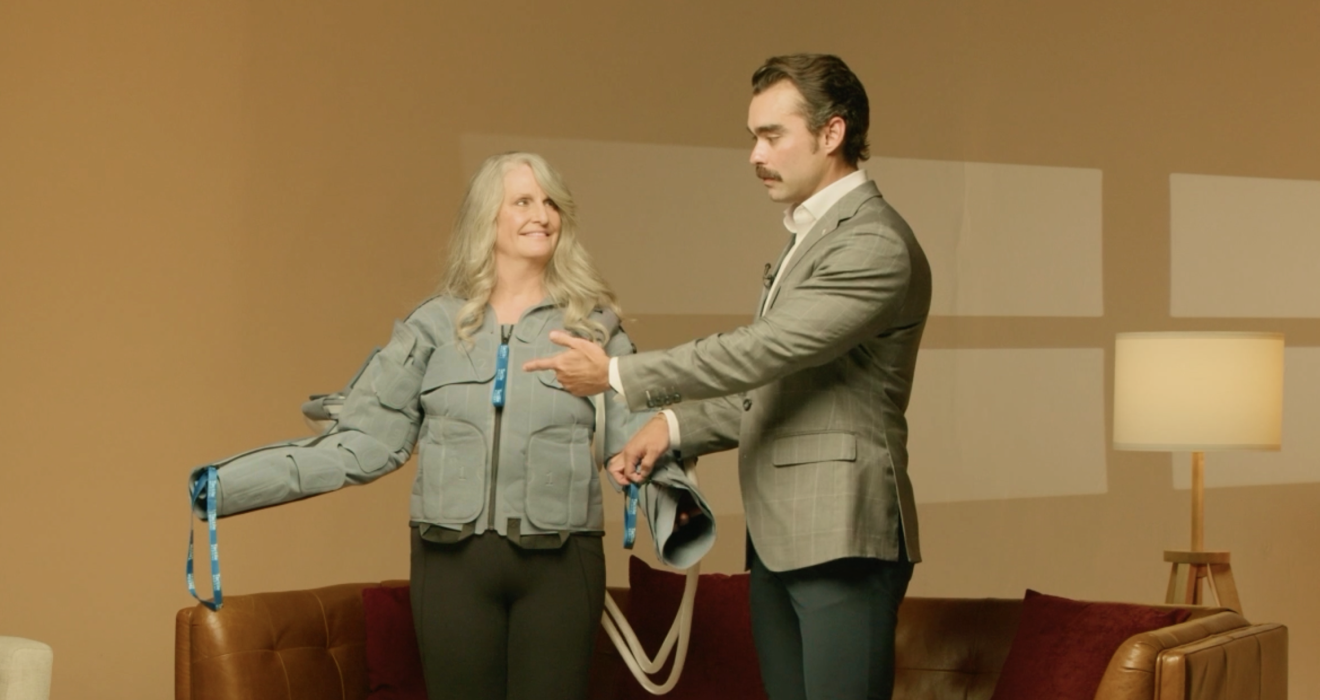
When most people think about Lipedema, they think about abnormal fat accumulation. They think about disproportionately larger legs, pain, tenderness, easy bruising, and the frustration of trying countless diets and exercise programs without seeing meaningful changes.
What is discussed less often is the role the lymphatic system can play in how patients feel from day to day.
Many women with Lipedema describe a familiar pattern. They wake up feeling relatively comfortable, only to notice increasing heaviness, swelling, tightness, and discomfort as the day progresses. Standing for long periods becomes difficult. Exercise feels more taxing. By evening, their legs may feel significantly different than they did that morning.
This growing awareness of the lymphatic component of Lipedema has led more patients and clinicians to look beyond traditional compression garments and manual lymphatic drainage alone. Increasingly, the conversation includes pneumatic compression therapy and how it may fit into a comprehensive Lipedema care plan.
One company that has been helping drive that conversation is Tactile Medical.
Tactile Medical is a leader in advanced pneumatic compression technology for people living with chronic swelling and lymphatic conditions. Through its Flexitouch Plus system, the company provides an at home therapy option designed to encourage lymphatic flow and help patients manage symptoms from the comfort of their own homes.
As a Presenting Sponsor of the Lipedema Summit, Tactile Medical is helping bring education about lymphatic health, swelling management, and conservative treatment options to a global audience of patients, caregivers, and healthcare professionals.
Although Lipedema is classified as a chronic fat disorder, many patients experience symptoms that go far beyond changes in body shape.
For many women, the condition is accompanied by persistent swelling, feelings of heaviness, tenderness, tightness, and discomfort that can worsen throughout the day. These symptoms can affect mobility, exercise tolerance, energy levels, sleep, and overall quality of life.
According to the clinical team at Tactile Medical, managing fluid accumulation is often an important part of symptom management. While Lipedema and lymphedema are distinct conditions, many people with Lipedema experience symptoms that suggest the lymphatic system is under increased strain. When excess fluid remains within tissues, it can contribute to the heaviness and discomfort that patients frequently describe.
This is one reason lymphatic focused therapies have become an increasingly common component of comprehensive Lipedema care.
Pneumatic compression therapy uses inflatable garments that apply gentle sequential pressure to different areas of the body.
Unlike traditional compression garments, which provide consistent pressure throughout the day, pneumatic compression systems actively cycle through inflation and deflation patterns designed to encourage the movement of fluid through lymphatic pathways.
The goal is to help reduce fluid buildup within tissues while providing patients with a treatment option they can use regularly at home.
For many individuals living with Lipedema, symptom management is not limited to occasional appointments with specialists. It is something they think about every day. Having access to therapies that can be incorporated into a regular routine may help patients maintain greater consistency in their care.
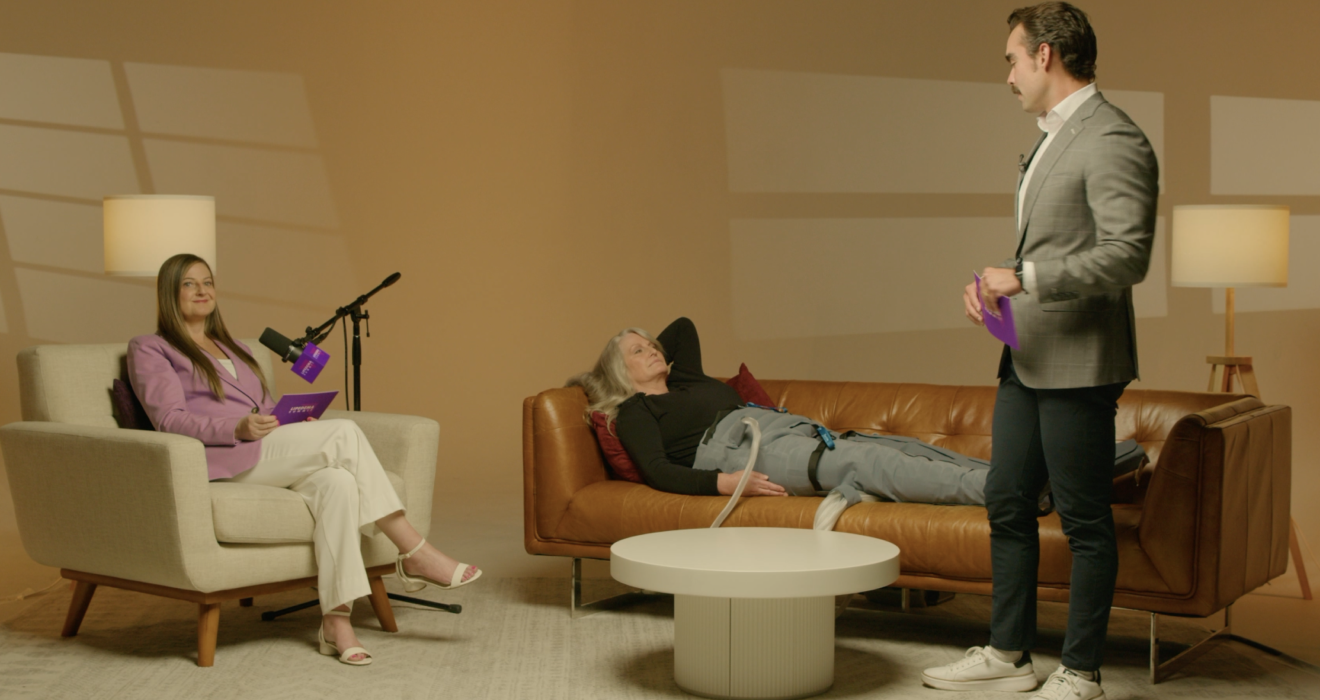
The Flexitouch Plus system was developed by Tactile Medical to help people living with chronic swelling conditions manage symptoms between clinical visits.
According to Tactile Medical’s clinical and educational team, the device uses a series of chambers that gently inflate and deflate in sequence, creating a treatment designed to mimic the principles of Manual Lymphatic Drainage. By stimulating lymphatic pathways, the system is intended to help move excess fluid through the lymphatic system where it can be processed and returned to circulation.
The system includes treatment options for both upper and lower extremities, which is particularly relevant for Lipedema patients who may experience symptoms in both their legs and arms. The garments are adjustable and designed to accommodate different body shapes while allowing patients to complete treatment sessions from home.
One aspect emphasized throughout Tactile Medical’s Lipedema Summit presentation was comfort. The system was designed to provide a gentle treatment experience that can be incorporated into everyday life. Patients often use the device while relaxing in the evening, watching television, reading, or winding down before bed.
One challenge facing many Lipedema patients is access to ongoing care.
Manual Lymphatic Drainage can be beneficial for symptom management, but regular appointments are not always easy to maintain. Depending on where a patient lives, finding a qualified therapist may be difficult. Cost, scheduling, travel time, and availability can all become barriers to consistent treatment.
During Tactile Medical’s educational session, Susan Rausch, Manager of Clinical Services and Medical Education, discussed the importance of giving patients tools they can use independently at home. Because Lipedema is a lifelong condition, many patients need options that allow them to continue managing symptoms outside of a clinic setting. Having access to home based treatment may help patients address flare ups, maintain consistency, and reduce reliance on frequent appointments.
That sense of independence is something many patients value. Rather than waiting until symptoms become overwhelming or scheduling another appointment weeks away, they have access to a therapy option that can become part of their regular routine.
One of the most important messages shared during Tactile Medical’s Lipedema Summit session was that there is no single intervention that addresses every aspect of Lipedema.
Most clinicians recommend a comprehensive care plan that may include compression garments, movement, exercise, nutrition, Manual Lymphatic Drainage, mental health care, and in some cases surgery. Pneumatic compression therapy is often used as another piece of that larger picture.
According to Tactile Medical’s clinical team, the Flexitouch Plus system can be incorporated at various stages of a patient’s journey, whether someone is newly diagnosed, managing symptoms conservatively, preparing for surgery, or continuing care after a surgical procedure.
The goal is not to replace other therapies, but to provide patients with another option that may help them manage swelling, heaviness, and day to day discomfort more consistently.

One of the reasons Tactile Medical partnered with the Lipedema Summit is the shared belief that patients deserve access to credible information about their condition and the treatment options available to them.
For many women, receiving a Lipedema diagnosis comes after years of confusion, dismissal, and unanswered questions. Learning about the lymphatic system, understanding why swelling occurs, and becoming aware of available treatment options can help patients have more informed conversations with their healthcare providers.
As awareness of Lipedema continues to grow, conversations about lymphatic health and conservative care are becoming increasingly important. Tactile Medical has been part of that conversation by helping educate patients and clinicians about pneumatic compression therapy and the role it may play within a broader Lipedema care plan.
To learn more about Tactile Medical, the Flexitouch Plus system, and the educational resources they provide for patients and healthcare professionals, visit their virtual booth at the Lipedema Summit:
https://event.lipedemasummit.com/sponsors/tactile-medical/
You can also learn more directly through Tactile Medical at:
Go deeper

All
If you've spent years being told to simply eat less and move more while your lower body stays stubbornly disproportionate […] Read more
The page you requested could not be found. Try refining your search, or use the navigation above to locate the post.
· Aug 26, 2026

News
Physicians continued discussing evolving standards of care. Patients shared personal stories and treatment experiences. Sponsors, clinicians, and wellness partners answered questions while new connections formed between people who, only hours earlier, had been strangers. It was perhaps the clearest sign that the 2026 Lipedema Summit Live Event had achieved its purpose. Held on June 11, 2026, in Downtown Los Angeles, the event brought together patients, clinicians, surgeons, researchers, therapists, advocates, caregivers, and industry partners for an evening centered on education, awareness, and connection. While the virtual Lipedema Summit was designed to reach thousands of people around the world, the live event created something equally valuable: the opportunity for meaningful conversations to happen face-to-face. Throughout the evening, attendees engaged directly with leading experts, explored emerging research, discussed treatment approaches, and exchanged experiences with others navigating similar challenges. Conversations ranged from evolving standards of care and surgical outcomes to conservative therapies, patient advocacy, and the future of Lipedema research. For many attendees, the event offered something difficult to find elsewhere: direct access to experts, honest conversations, and the opportunity to connect with others who truly understand the realities of living with Lipedema. Long after the final panel concluded, those conversations continued, reflecting both the growing momentum within the Lipedema community and the shared commitment to advancing awareness, education, and patient care.
The page you requested could not be found. Try refining your search, or use the navigation above to locate the post.
· Jun 21, 2026
Sponsor Feature
When most people think about Lipedema, they think about abnormal fat accumulation. They think about disproportionately larger legs, pain, tenderness, easy bruising, and the frustration of trying countless diets and exercise programs without seeing meaningful changes.
The page you requested could not be found. Try refining your search, or use the navigation above to locate the post.
· Jun 1, 2026

Sponsor Feature
For many women living with Lipedema, finding a surgeon is only part of the challenge. Finding a team that truly understands the disease is often much harder.
The page you requested could not be found. Try refining your search, or use the navigation above to locate the post.
· Jun 1, 2026
Sponsor Feature
For many women diagnosed with Lipedema, the healthcare journey can feel fragmented.
The page you requested could not be found. Try refining your search, or use the navigation above to locate the post.
· Jun 1, 2026

Sponsor Feature
GLP 1 medications have changed the conversation around obesity, metabolic health, inflammation, and chronic disease. For many patients, they have opened doors that previously felt out of reach. Yet as these medications become more widely available, a new challenge has emerged: access does not always equal quality care.
The page you requested could not be found. Try refining your search, or use the navigation above to locate the post.
· Jun 1, 2026

Sponsor Feature
Most Lipedema patients eventually learn that compression is one of the most important parts of conservative care.
The page you requested could not be found. Try refining your search, or use the navigation above to locate the post.
· Jun 1, 2026
Summit Info
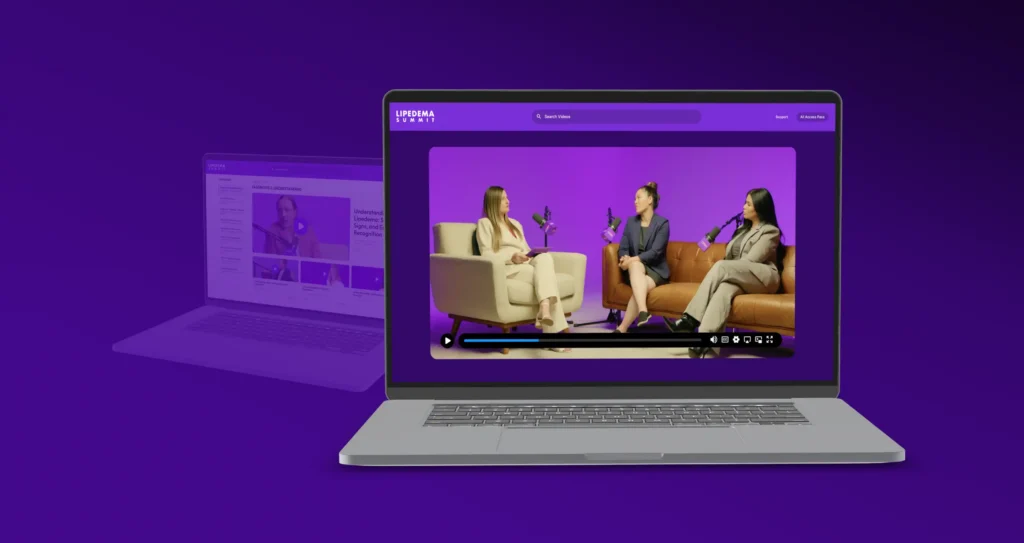
The 2026 Lipedema Summit brings together an extraordinary lineup of surgeons, physicians, researchers, therapists, advocates, and patients for three days of conversations focused on diagnosis, treatment, recovery, long-term management, and the future of lipedema care.
The page you requested could not be found. Try refining your search, or use the navigation above to locate the post.
· May 25, 2026

Education
Lipedema is often discussed as a physical condition, one that affects fat distribution, lymphatic health, and metabolic function. But for the millions of women living with Lipedema, the emotional wounds can run just as deep as the physical ones. The reflection in the mirror that no longer feels like you. The constant comparisons. The judgment from strangers, doctors, and sometimes even the people closest to you. These experiences leave marks that go far beyond the body.
The page you requested could not be found. Try refining your search, or use the navigation above to locate the post.
· Mar 15, 2026

Education
Lipedema is a chronic medical condition that affects the way fat is distributed in the body. It most commonly appears in the legs, hips, and sometimes the arms, while the hands and feet are typically unaffected.
The page you requested could not be found. Try refining your search, or use the navigation above to locate the post.
· Mar 13, 2026
Sign in to access your summit libraries, saved sessions, and progress.