No Results Found.
The page you requested could not be found. Try refining your search, or use the navigation above to locate the post.
The page you requested could not be found. Try refining your search, or use the navigation above to locate the post.

GLP 1 medications have changed the conversation around obesity, metabolic health, inflammation, and chronic disease. For many patients, they have opened doors that previously felt out of reach. Yet as these medications become more widely available, a new challenge has emerged: access does not always equal quality care.
Too often, patients are handed a prescription with little guidance on what comes next. Questions about dosing, side effects, medication selection, long term maintenance, nutrition, and lifestyle changes are left unanswered. What works for one patient may not work for another, and a one size fits all approach rarely delivers the best outcomes.
That is the problem Mochi Health set out to solve.
As a Presenting Sponsor of the Lipedema Summit, Mochi Health has built its model around personalized, physician guided care that extends far beyond simply prescribing medication. Their focus is on helping patients build a long term relationship with a provider who can adjust treatment plans, answer questions, monitor progress, and adapt care as needs evolve over time.
One of the biggest misconceptions about GLP 1 medications is that there is a single path that works for everyone.
According to Dr. Myra Ahmad, CEO of Mochi Health, patients come to treatment with very different goals, medical histories, and health conditions. Some are focused on weight loss. Others are managing PCOS, metabolic dysfunction, insulin resistance, inflammation, or multiple overlapping conditions. Some prefer injectable medications, while others are interested in oral options. Some respond well to their first medication, while others require adjustments along the way.
Rather than forcing patients into a standardized protocol, Mochi Health allows providers to tailor treatment plans to the individual, helping patients determine which medication, dosage, and long term strategy may be the best fit for their needs.
Mochi Health was designed to mirror what many patients hope to find in traditional primary care: an ongoing relationship with a trusted provider.
Patients select a provider and continue working with that same clinician over time. The platform includes unlimited visits and unlimited messaging, allowing patients to ask questions, discuss side effects, adjust treatment plans, and receive guidance as their needs change.
That level of access can be especially important for patients using GLP 1 medications, where dosing often requires ongoing adjustments.
As Dr. Ahmad explains, some patients do well on very low doses while others require gradual increases over time. The goal is not simply to move everyone to the highest dose possible. Instead, providers work with patients to find the lowest effective dose that delivers results while minimizing side effects. Her advice is simple: low and slow is often the best path forward.
While GLP 1 medications are most commonly associated with weight loss, researchers continue to uncover new areas where they may provide benefits.
During her Summit interview, Dr. Ahmad discussed growing interest in the role GLP 1 medications may play in inflammation, autoimmune conditions, metabolic disorders, addiction pathways, and even neurodegenerative diseases. Research is ongoing, but the potential applications continue to expand as scientists learn more about how these medications affect multiple systems throughout the body.
For many women living with Lipedema, this area of research is particularly interesting given the inflammatory nature of the disease and the growing number of patients reporting improvements in symptoms beyond weight loss alone.

As access to GLP 1 medications expands, patients are being presented with more choices than ever before.
New medications continue to enter the market. Oral formulations are becoming available. Different dosing strategies are emerging. Compounding options, insurance coverage questions, and online providers have added additional complexity to an already crowded landscape.
Dr. Ahmad believes one thing remains essential regardless of which medication a patient ultimately chooses: provider oversight.
She cautions against self managing treatment or obtaining medications through unregulated sources. Patients should work with providers they trust, understand their options, have access to ongoing support, and feel comfortable discussing challenges as they arise.
According to Mochi Health, successful outcomes are not just about medication. They also involve nutrition, exercise, behavioral changes, realistic expectations, and a strong support system. Every Mochi patient receives access to a registered dietitian, helping reinforce healthy habits alongside medical treatment.
One of the most meaningful parts of Dr. Ahmad’s conversation centered around what success actually looks like.
While many patients celebrate weight loss milestones, some of the most memorable stories involve something far simpler: walking comfortably with grandchildren, fitting into an airplane seat without worry, visiting a theme park, or participating in activities that once felt impossible.
Those moments serve as an important reminder that health is about far more than a number on a scale.
For many patients, the goal is not simply losing weight. It is gaining freedom, mobility, confidence, and the ability to fully participate in everyday life.
As Presenting Sponsor of the Lipedema Summit, Mochi Health is helping bring important conversations about metabolic health, obesity medicine, inflammation, and GLP 1 therapies to patients around the world.
Visit Mochi Health’s virtual booth to learn more about their personalized care model, physician guided treatment programs, nutrition resources, and ongoing patient support.
Booth:
https://event.lipedemasummit.com/sponsors/mochi-health/
Learn more from Dr. Myra Ahmad’s Summit session and discover how personalized, long term care may help patients navigate the rapidly evolving world of GLP 1 treatment.
Go deeper

All
If you've spent years being told to simply eat less and move more while your lower body stays stubbornly disproportionate […] Read more
The page you requested could not be found. Try refining your search, or use the navigation above to locate the post.
· Aug 26, 2026

News
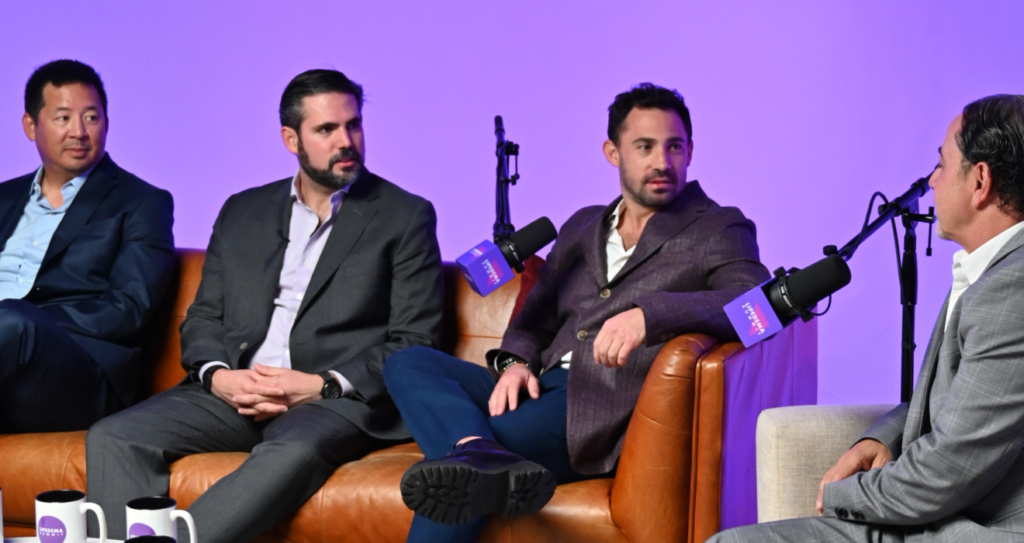
Physicians continued discussing evolving standards of care. Patients shared personal stories and treatment experiences. Sponsors, clinicians, and wellness partners answered questions while new connections formed between people who, only hours earlier, had been strangers. It was perhaps the clearest sign that the 2026 Lipedema Summit Live Event had achieved its purpose. Held on June 11, 2026, in Downtown Los Angeles, the event brought together patients, clinicians, surgeons, researchers, therapists, advocates, caregivers, and industry partners for an evening centered on education, awareness, and connection. While the virtual Lipedema Summit was designed to reach thousands of people around the world, the live event created something equally valuable: the opportunity for meaningful conversations to happen face-to-face. Throughout the evening, attendees engaged directly with leading experts, explored emerging research, discussed treatment approaches, and exchanged experiences with others navigating similar challenges. Conversations ranged from evolving standards of care and surgical outcomes to conservative therapies, patient advocacy, and the future of Lipedema research. For many attendees, the event offered something difficult to find elsewhere: direct access to experts, honest conversations, and the opportunity to connect with others who truly understand the realities of living with Lipedema. Long after the final panel concluded, those conversations continued, reflecting both the growing momentum within the Lipedema community and the shared commitment to advancing awareness, education, and patient care.
The page you requested could not be found. Try refining your search, or use the navigation above to locate the post.
· Jun 21, 2026

Sponsor Feature
When most people think about Lipedema, they think about abnormal fat accumulation. They think about disproportionately larger legs, pain, tenderness, easy bruising, and the frustration of trying countless diets and exercise programs without seeing meaningful changes.
The page you requested could not be found. Try refining your search, or use the navigation above to locate the post.
· Jun 1, 2026
Sponsor Feature
For many women living with Lipedema, finding a surgeon is only part of the challenge. Finding a team that truly understands the disease is often much harder.
The page you requested could not be found. Try refining your search, or use the navigation above to locate the post.
· Jun 1, 2026
Sponsor Feature
For many women diagnosed with Lipedema, the healthcare journey can feel fragmented.
The page you requested could not be found. Try refining your search, or use the navigation above to locate the post.
· Jun 1, 2026

Sponsor Feature
GLP 1 medications have changed the conversation around obesity, metabolic health, inflammation, and chronic disease. For many patients, they have opened doors that previously felt out of reach. Yet as these medications become more widely available, a new challenge has emerged: access does not always equal quality care.
The page you requested could not be found. Try refining your search, or use the navigation above to locate the post.
· Jun 1, 2026

Sponsor Feature
Most Lipedema patients eventually learn that compression is one of the most important parts of conservative care.
The page you requested could not be found. Try refining your search, or use the navigation above to locate the post.
· Jun 1, 2026

Summit Info
The 2026 Lipedema Summit brings together an extraordinary lineup of surgeons, physicians, researchers, therapists, advocates, and patients for three days of conversations focused on diagnosis, treatment, recovery, long-term management, and the future of lipedema care.
The page you requested could not be found. Try refining your search, or use the navigation above to locate the post.
· May 25, 2026

Education
Lipedema is often discussed as a physical condition, one that affects fat distribution, lymphatic health, and metabolic function. But for the millions of women living with Lipedema, the emotional wounds can run just as deep as the physical ones. The reflection in the mirror that no longer feels like you. The constant comparisons. The judgment from strangers, doctors, and sometimes even the people closest to you. These experiences leave marks that go far beyond the body.
The page you requested could not be found. Try refining your search, or use the navigation above to locate the post.
· Mar 15, 2026

Education
Lipedema is a chronic medical condition that affects the way fat is distributed in the body. It most commonly appears in the legs, hips, and sometimes the arms, while the hands and feet are typically unaffected.
The page you requested could not be found. Try refining your search, or use the navigation above to locate the post.
· Mar 13, 2026
Sign in to access your summit libraries, saved sessions, and progress.